
In today’s fast-paced world, we all need a little stillness. That’s where Yin Yoga comes in. Unlike active styles like Vinyasa or Ashtanga, Yin Yoga is a slow, gentle, and meditative practice. It’s not about breaking a sweat, it’s about calming your mind, stretching deep tissues, and finding peace within.
In this guide, you’ll learn what Yin Yoga is, how it works, its amazing health benefits, simple poses for beginners, and daily practice tips to help you get started. Whether you’re looking for stress relief, more flexibility, or a deeper connection with yourself, Yin Yoga can be a powerful tool for transformation.
What Is Yin Yoga?
Yin Yoga is a slow-paced yoga style where poses are held for longer periods typically 2 to 5 minutes, sometimes even more. The focus is on stretching the deep connective tissues of the body like fascia, ligaments, joints, and bones.
The practice is rooted in ancient Chinese Taoist philosophy and also influenced by Traditional Hatha Yoga. It works on energy channels called “meridians,” much like acupuncture does, to balance the flow of energy or “Qi” (Chi) in the body.
Yin Yoga is not about doing more, but about doing less. It’s about being still, observing your body and breath, and learning to let go.
Yin vs Yang: What’s the Difference?
In yoga, “Yang” refers to more active, muscular practices like Vinyasa, Power Yoga, or Ashtanga. These styles build strength and heat.
“Yin,” on the other hand, focuses on stillness, cooling the body, and stretching the deeper tissues. Both are essential for a balanced body and mind.
Think of it this way:
-
- Yang Yoga strengthens muscles.
- Yin Yoga lengthens and nourishes fascia and joints.
A healthy yoga routine includes both Yin and Yang elements. Many top yoga classes in Rishikesh now combine both to give students the best of both worlds.
Health Benefits of Yin Yoga
Yin Yoga offers more than just physical flexibility. It brings balance to your entire being – body, mind, and soul. Here are some of the key benefits:
1. Increases Flexibility and Mobility
By holding poses longer, Yin Yoga gently stretches and opens your connective tissues. This improves joint mobility, especially in the hips, pelvis, and lower spine.
2. Reduces Stress and Anxiety
The meditative nature of Yin helps activate the parasympathetic nervous system, which promotes deep relaxation. This reduces cortisol levels and calms the mind.
3. Improves Circulation and Energy Flow
Yin Yoga stimulates the body’s meridian lines, improving the flow of energy (Qi) and blood circulation. This can lead to better organ function and overall vitality.
4. Enhances Emotional Wellbeing
Many people report emotional release during Yin practice. As the body opens, stored emotions also release, helping you feel lighter and more balanced.
5. Supports Mindfulness and Meditation
Staying in a pose for 3-5 minutes trains your mind to be still. This naturally increases mindfulness, awareness, and inner peace.
6. Aids Better Sleep
A gentle Yin session before bed helps calm the nervous system and prepare your body for restful sleep.
Easy Yin Yoga Poses for Beginners
Here are five beginner-friendly Yin Yoga poses that you can start practicing at home. Hold each for 2 to 5 minutes, and remember to breathe deeply.
1. Butterfly Pose (Baddha Konasana)
-
- Sit with the soles of your feet together.
- Let your knees fall open naturally.
- Lean forward slightly and relax.
- Benefits: Opens hips, stretches inner thighs, calms the mind.
2. Caterpillar Pose (Paschimottanasana)
-
- Sit with your legs straight out.
- Gently fold forward, letting your spine round.
- Support yourself with a pillow if needed.
- Benefits: Stretches spine and hamstrings, soothes the nervous system.
3. Dragon Pose (Low Lunge)
-
- Step one foot forward into a lunge.
- Keep the back knee down and relax the hips.
- You can use blocks for support under your hands.
- Benefits: Opens hip flexors and groin, releases tension.
4. Sphinx Pose
-
- Lie on your belly, lift your chest and rest on your forearms.
- Let the lower back gently arch.
- Breathe slowly and deeply.
- Benefits: Stimulates spine, improves posture, opens the heart.
5. Reclining Twist
-
- Lie on your back, bring knees to your chest, and let them fall to one side.
- Stretch your arms in a “T” shape and look in the opposite direction.
- Benefits: Relieves back tension, detoxifies organs, calms anxiety.
Always use props like cushions, bolsters, or folded blankets to support your body and make the poses comfortable.
Daily Practice Tips for Yin Yoga
Want to build a consistent Yin Yoga routine? Here are some simple tips:
1. Start Small
Begin with just 10–15 minutes a day. You don’t need a full hour. Even 2–3 poses can make a big difference.
2. Practice in the Evening
Yin is best practiced when your body is cooler and your muscles are not warmed up. Evenings or just before bedtime are ideal for deep release and relaxation.
3. Use Props for Support
Bolsters, blankets, blocks, and pillows are your best friends. They help your body feel safe and supported, allowing deeper release.
4. Focus on Your Breath
Deep breathing helps you stay present and calm the nervous system. Try slow belly breathing or simple box breathing (inhale-hold-exhale-hold for 4 counts each).
5. Be Still and Observe
Don’t fidget or try to “fix” the pose. Just stay, observe, and soften. Yin is about accepting and surrendering, not pushing.
6. Create a Calm Space
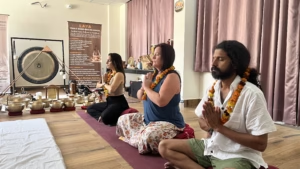
Set up a quiet corner with soft lights, calming music, incense, or candles to enhance your experience. A peaceful environment helps you go deeper.
7. Combine with Meditation
After your practice, sit quietly for a few minutes. This is a powerful time for reflection, journaling, or simply enjoying the silence.
Is Yin Yoga Right for You?
Yin Yoga is suitable for almost everyone especially if you:
-
- Feel stressed or overwhelmed
- Sit for long hours or have a stiff body
- Want to improve flexibility gently
- Need a calming bedtime routine
- Are recovering from burnout or emotional fatigue
If you’re exploring yoga for the first time, many top yoga centres in Rishikesh now offer specialized Yin Yoga sessions as part of their holistic wellness programs. These classes are ideal for learning under expert guidance in a peaceful, spiritual setting.
However, if you have a serious injury or joint issue, consult a certified yoga teacher or physiotherapist before practicing.
Final Thoughts
In a world where we’re constantly doing, Yin Yoga invites us to simply be. It’s not flashy, fast, or competitive but that’s its magic. It teaches you to listen to your body, be patient with yourself, and reconnect with your inner stillness.
Whether you’re a busy professional, yoga beginner, or someone seeking emotional balance, Yin Yoga offers a sanctuary of calm in your day. And the best part? You can practice it anytime, anywhere – even in the quiet of your living room or under the stars.
So roll out your mat, slow down, breathe deep and begin your journey with Yin Yoga today.